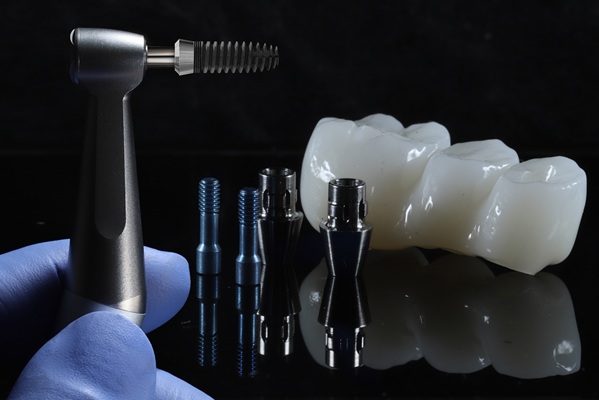
Dental Crowns, Onlays, or Inlays: Which is Best for You?
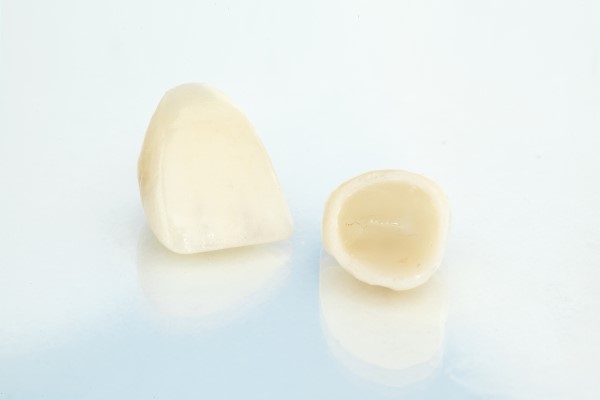
When a tooth is damaged by decay, wear, or trauma, a dental crown is often one of the first solutions considered. However, it is not the only option available. Inlays and onlays are conservative alternatives that restore strength and function while preserving more of the natural tooth. Understanding the differences between a dental crown, an inlay, and an onlay can help determine which restoration best fits a patient's needs.
What is a dental crown?
A dental crown is a full-coverage restoration that encases the entire visible portion of the tooth. We typically recommend crowns when a tooth is severely weakened, cracked, or has undergone a root canal treatment. They are custom-made from materials such as porcelain, zirconia, or metal, depending on the tooth's location and the patient's aesthetic goals.
Dental crowns offer long-lasting strength and can restore both function and appearance. Because a crown requires reshaping the entire tooth, it is a common option when minimal natural structure remains.
Inlays and onlays: more conservative alternatives
Inlays and onlays are considered partial restorations. They are ideal when damage is too extensive for a simple filling but does not yet require a full dental crown.
Inlays fit within the grooves of the tooth and do not extend to the cusps. They are ideal for repairing moderate decay or damage in the center of the tooth. Onlays cover a larger area, including one or more cusps of the tooth. These restorations provide additional protection for teeth with more extensive structural loss.
Both inlays and onlays are typically fabricated from durable materials such as porcelain or composite resin. They are custom-designed to match the natural color and shape of the tooth and are bonded in place for a secure, seamless fit.
Choosing the right option
The best restorative option depends on the location and severity of the damage, the amount of healthy tooth structure remaining, and the patient’s long-term oral health goals. A dental crown may be recommended when:
- The tooth has undergone root canal therapy
- There is significant enamel loss or cracking
- A previous filling has failed and the tooth is no longer stable
In contrast, inlays or onlays may be a better fit when:
- The damage is moderate and confined to a specific area
- Preserving as much natural tooth as possible is a priority
- The tooth does not require full coverage to restore strength
A thorough examination, often supported by X-rays or digital imaging, helps determine which solution will offer the best combination of durability, aesthetics, and preservation.
Durability and longevity
All three restorations—dental crowns, inlays, and onlays—can last many years with proper care. Routine dental checkups, daily brushing and flossing, and avoiding habits such as grinding or chewing hard objects contribute to their lifespan. While crowns provide the most coverage, inlays and onlays maintain more of the natural tooth, which may be beneficial in the long term.
Each option offers reliable results when placed by a qualified dental professional. Selecting the right restoration ensures the tooth is protected, functional, and aesthetically pleasing for years to come. For more information or to schedule a consultation, call Bitterroot Valley Dental Care at (406) 625-0382.
To schedule a consultation, please request an appointment on our website at https://bitterrootvalleydentalcare.com or call Bitterroot Valley Dental Care at (406) 625-0382 to arrange an appointment at our Stevensville office.
Check out what others are saying about our dental services on Yelp: Dental Crowns and Dental Bridges in Stevensville, MT.
Recent Posts
A damaged dental crown can disrupt daily life and put the underlying tooth at risk for further complications. When a dental crown chips, loosens, or breaks entirely, prompt action can help prevent discomfort, infection, or more extensive dental work. Understanding the proper steps to take ensures the best chance of preserving oral health and restoring…
Dental crowns are the most popular way to restore teeth that are in bad shape due to decay, injury or other imperfections. Modern-day dentistry has allowed for the evolution of many different material choices, all of which offer their own pros and cons. Keep reading to learn about three options that general dentists recommend. Outlined below…
A dental crown is used to restore teeth that are in bad shape. Oftentimes, they are needed for teeth that have become cracked, chipped or broken. Additionally, general dentists recommend them for teeth that have severely decayed due to an infection. While they are one of the most common dental restorations, many wonder how long…
Understanding the reasons for dental crowns allows those in need of restoration treatment to know if this treatment is the right option for them. Asking a general dentist about dental crowns allows individuals to get the detailed information they need, as general dentists perform restoration services on a daily basis, thus making them experts on…